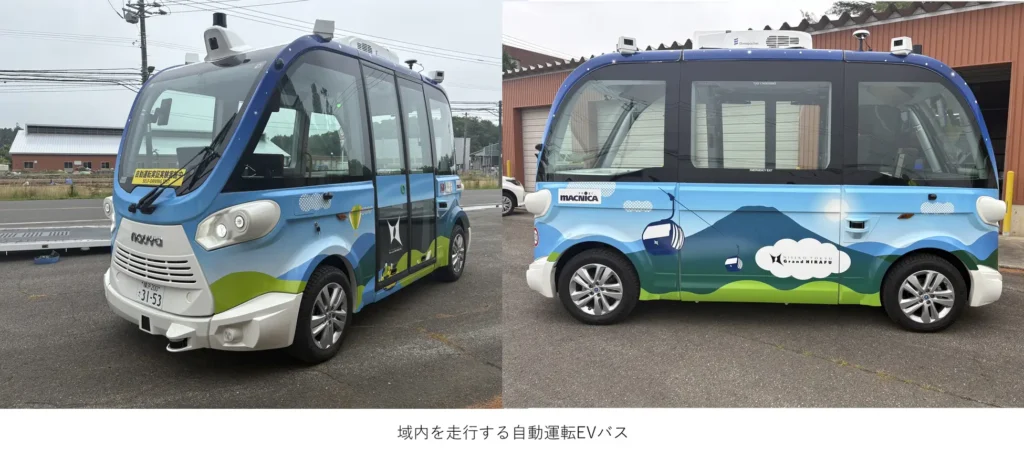
A self-driving electric shuttle bus is set to be tested on the streets of Niseko Hirafu this winter, as Tokyu Land looks for ways to tackle the area’s transport problems.
Tokyu Land Corporation, which operates Niseko Tokyu Grand Hirafu, has partnered with Japanese technology company Macnica on the project. A two-week winter trial is planned for the 2026/27 season, following an earlier summer test scheduled for 8–23 August.
The vehicle is a Navya Mobility EVO, a compact electric shuttle that carries up to nine passengers and travels at speeds below 18 km/h. It will follow a fixed route around Hirafu, with rides during the initial trial advertised as free.
The bus uses Level 2 automated driving, meaning a human operator still needs to be on board. The longer-term goal is Level 4, which would allow the shuttle to operate without a driver under specified conditions.
For now, it’s a nine-seat bus with a supervisor and a fairly leisurely top speed.
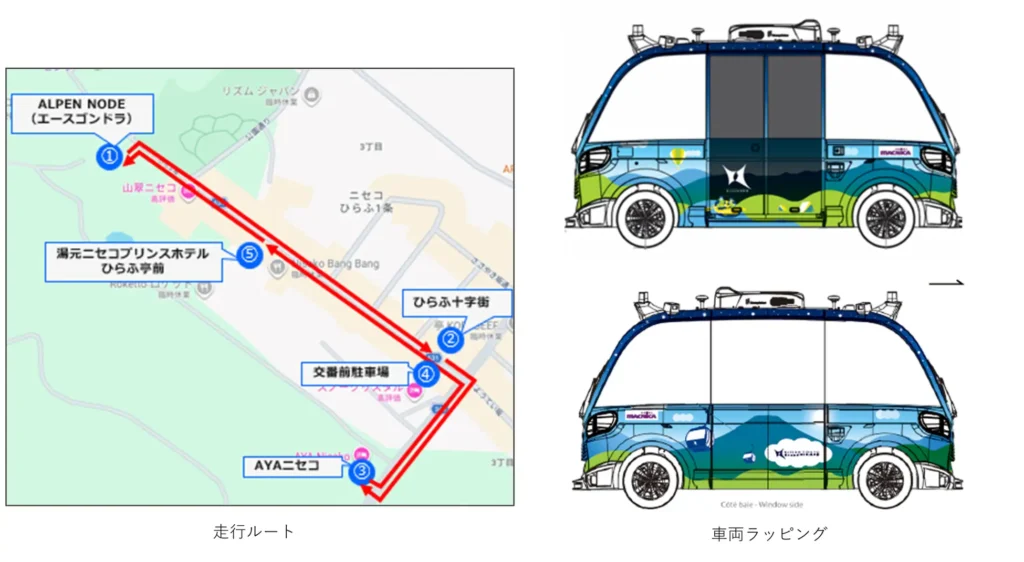
The project comes as Niseko continues to struggle with transport demand during the busy winter months. Driver shortages have become a particular problem, with the existing Niseko Model scheme bringing in taxi operators from outside the region to help cover the seasonal rush.
Tokyu Land and Macnica see autonomous shuttles as a possible longer-term solution. The companies also claim this is Japan’s first autonomous electric bus trial at a snow resort, based on their own research.
Whether the technology can cope with a Hirafu winter is another question. Snow-covered roads, high snow banks and heavy winter traffic will present a rather different challenge from driving around in August.
Further development is planned from 2027, with the eventual aim of running a year-round Level 4 service. Neither a confirmed date for the winter trial nor a timetable for fully driverless operation has been announced.