
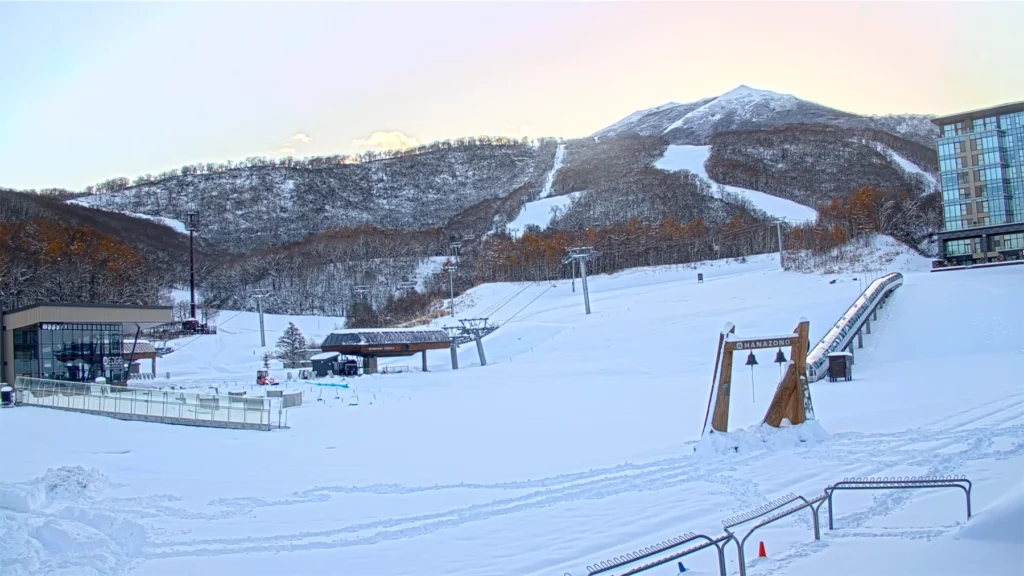
Hokkaido has had its first proper November dump, with some substantial snowfall across northern, central and western parts of the island over the past four days.
According to the Japan Meteorological Agency (JMA), Shumarinai recorded 76 cm of cumulative snowfall between Saturday 7 November and 15:00 on Tuesday 10 November, while Kutchan, home to two of Niseko’s ski areas, received 66 cm. Bifuka wasn’t far behind with 63 cm.
Saturday got things moving, with 27 cm falling at Shumarinai, 26 cm at Sounkyo and 25 cm at Fukagawa. The snow continued into Monday, when Kutchan recorded 38 cm in a single day, with another 8 cm added by Tuesday afternoon.
Sapporo also got a decent covering on Saturday, recording 11 cm of snowfall. That was enough to bring out the city’s sasara densha, the specialist snow-clearing tram used to keep the tram tracks clear.
According to HTB News, the tram made its first deployment at around 4:30 am on Saturday, its second-earliest first outing in the past decade. The previous earlier deployment came on 6 November 2016.
No lie-in for the tram crew, then.
How much snow fell across Hokkaido?
The JMA’s daily snowfall figures show just how much snow has accumulated over the past few days, particularly in northern Hokkaido and around some of the island’s ski regions.
| Location | 7 Nov | 8 Nov | 9 Nov | 10 Nov* | Total* |
|---|---|---|---|---|---|
| Shumarinai | 27 cm | 9 cm | 31 cm | 9 cm | 76 cm |
| Kutchan | 13 cm | 7 cm | 38 cm | 8 cm | 66 cm |
| Bifuka | 21 cm | 3 cm | 38 cm | 1 cm | 63 cm |
| Sounkyo | 26 cm | 5 cm | 2 cm | 9 cm | 42 cm |
| Kimobetsu | 13 cm | 12 cm | 11 cm | 6 cm | 42 cm |
| Fukagawa | 25 cm | 0 cm | 0 cm | 16 cm | 41 cm |
| Asahikawa | 16 cm | 9 cm | 1 cm | 8 cm | 34 cm |
| Sapporo | 11 cm | 0 cm | 0 cm | 0 cm | 11 cm |
| Furano | 10 cm | 0 cm | 0 cm | 1 cm | 11 cm |
Source: Japan Meteorological Agency. Daily snowfall records for 7 November, 8 November, 9 November and 10 November, 2026.
*10 November figures cover snowfall recorded up to 15:00 JST, rather than the full day. JMA calculates snowfall by adding positive hourly changes in measured snow depth. These totals are not the amount of snow currently lying on the ground.
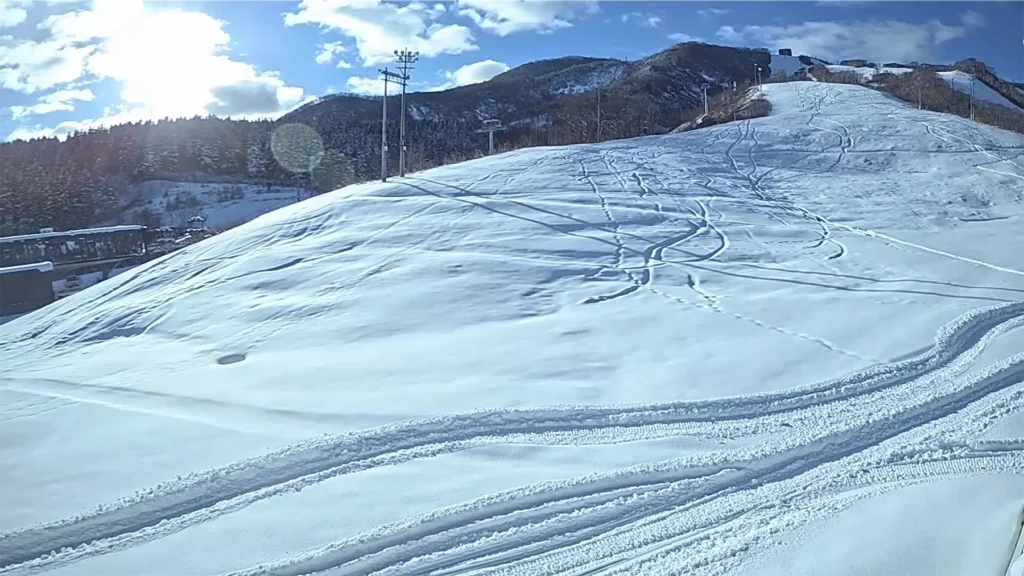
There’s a decent amount of snow actually sitting on the ground in some places, too. On Tuesday morning, JMA recorded maximum snow depths of 71 cm at Shumarinai, 56 cm at Kutchan (Niseko) and 42 cm at Kimobetsu, near Rusutsu Resort.
These figures come from JMA observation stations rather than the ski areas themselves, so they don’t tell us exactly how much snow is sitting on the slopes. A few good dumps in November don’t necessarily mean a decent mountain base has formed, either. There’s still time for temperatures to rise and some of that early snow to disappear.
Still, with several days of snow across Hokkaido’s main ski areas, things are looking promising for the start of the season. Hopefully the snow keeps coming and temperatures stay cold enough for a decent base to build ahead of the scheduled opening dates. Nobody wants to start another winter watching opening dates get pushed back while waiting for temperatures to drop.


